

In a universe filled with endless possibilities, few stories capture the imagination quite like The Hitchhiker’s Guide to the Galaxy. Douglas Adams’ quirky tale of intergalactic misadventures has leaped from page to screen, radio waves, and even stage performances, proving that the universe truly is a playground for creativity. Whether you’re a die-hard fan or a curious newcomer, the adaptations bring a fresh spin to the beloved narrative.
Overview of Hitchhiker’s Guide to the Galaxy Adaptations
“The Hitchhiker’s Guide to the Galaxy” has inspired a multitude of adaptations across various media. Radio plays marked the original format, captivating audiences with their imaginative storytelling and rich audio landscapes. The BBC first aired the series in 1978, establishing a dedicated fan base.
Film adaptations have further expanded the universe. Released in 2005, the feature film introduced new generations to Arthur Dent’s adventures while retaining key elements of Douglas Adams’ humor. It featured notable actors like Martin Freeman and Zooey Deschanel, who brought iconic characters to life.
Television adaptations also play a significant role. A 1981 television series brought direct visuals to the narrative, showcasing the quirky art style and wry humor that characterizes the series. Fans enjoyed the distinct interpretation, adding another layer to the beloved story.
Stage performances have emerged as another creative outlet. Various productions worldwide have captured the essence of the book, often incorporating live elements and audience interaction. These performances enable fans to engage with the story in a dynamic environment.
Video games even explored the universe, allowing players to navigate Arthur’s intergalactic journey. Titles such as “The Hitchhiker’s Guide to the Galaxy” game, released in 1984, provided players with unique ways to experience the narrative through interactive gameplay.
Film Adaptations
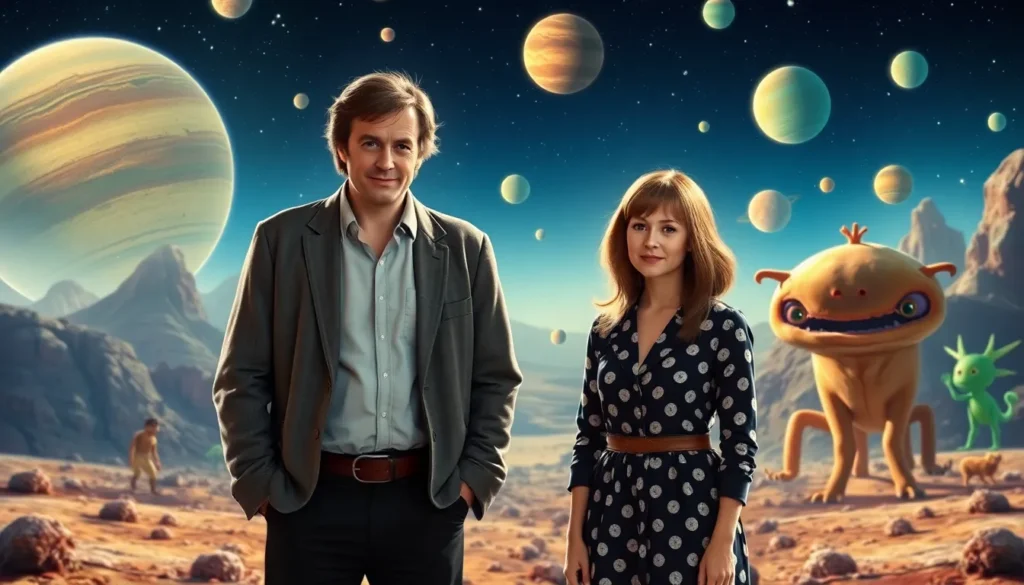
Film adaptations of “The Hitchhiker’s Guide to the Galaxy” capture the essence of Douglas Adams’ unique narrative. These adaptations translate the story into visual formats, making it accessible to broader audiences.
The 2005 Film
The 2005 film adaptation reinvigorated interest in the classic tale. Featuring Martin Freeman as Arthur Dent, the movie brought fresh energy to the character, alongside Zooey Deschanel portraying Trillian. This adaptation showcased the iconic humor from the original text while introducing updated visuals and special effects. Notable elements included the creative representation of planets and alien beings, enhancing the whimsical atmosphere. Critics praised the film for maintaining the spirit of the source material while inviting new fans to engage with the story.
Reception and Impact
Reception of the 2005 film varied among longtime fans and new viewers. Some appreciated the faithful humor, while others noted disparities from the original format. Audience engagement remained high, contributing to a resurgence in popularity for the series. Box office results reflected this interest, with the film grossing over $100 million globally. Overall, the adaptation sparked renewed conversations about the universe created by Adams, fostering further exploration of its themes and characters in contemporary media.
Television Adaptations
Television adaptations of “The Hitchhiker’s Guide to the Galaxy” introduced new visual storytelling elements while maintaining the series’ signature humor. These adaptations brought the beloved narrative to a wider audience.
The 1981 BBC Series
The 1981 BBC series depicted Arthur Dent’s adventures with a unique blend of comedy and science fiction. Creatively crafted, this adaptation featured whimsical sets and special effects that captured the quirky essence of Douglas Adams’ work. Actors like Simon Jones and David Dixon brought the characters to life, embodying their eccentricities. Moreover, the series maintained the core themes of the original, ensuring fans could appreciate both the humor and insightful commentary present in the story.
Differences from the Original Radio Series
Differences highlighted the transition from radio to television in meaningful ways. Visual representations of characters and settings introduced new interpretations of familiar scenes, enriching the viewing experience. While the structure remained similar, the television adaptation included additional dialogue to enhance comedic timing. Some scenes were altered, expanding on character relationships that radio could only suggest. These adjustments helped create a distinct viewer experience while retaining the essence of Adams’ original storytelling.
Radio Adaptations
The radio adaptations of “The Hitchhiker’s Guide to the Galaxy” play a crucial role in the story’s legacy. They offer fans an auditory experience that captures the charm of Douglas Adams’ writing.
The Original Radio Series
The original radio series debuted on BBC Radio 4 in 1978. This groundbreaking adaptation introduced audiences to Arthur Dent’s cosmic journey. Unique sound effects enhanced the imaginative narrative, immersing listeners in the quirky universe. Voice actors such as Simon Jones and Geoffrey McGivern brought the characters to life with their performances. The blend of humor and science fiction in the series perfectly encapsulated Adams’ vision.
Evolution Over the Years
Subsequent adaptations saw various changes and expansions in storytelling. The initial radio series ran from 1978 to 1980, followed by additional episodes and specials. In 2004, another radio adaptation aired, featuring updated scripts and new voice talent, like Martin Freeman. These adaptations continued to embrace the original’s humor while introducing fresh elements. Over the years, fans enjoyed seeing how each new version interpreted the classic material. The adaptability of the story has kept it relevant, uniting generations of listeners through its adventurous spirit.
Stage Adaptations
Stage adaptations of “The Hitchhiker’s Guide to the Galaxy” bring the whimsical narrative to life through engaging performances. These adaptations often explore different dimensions of Douglas Adams’ story, allowing actors to interpret beloved characters in new ways.
Stage Play Variations
Numerous stage play variations exist, showcasing unique interpretations of the iconic tale. The West End production in London featured an innovative blend of humor, music, and visual storytelling, capturing the essence of Adams’ universe. Local theater groups also presented adaptations, each adding their creative twist to the narrative. Some productions emphasized audience interaction, encouraging viewers to immerse themselves in Arthur Dent’s journey. Others streamed live performances, allowing fans worldwide to experience the stage magic even from afar.
Audience Reception
Audience reception of these stage adaptations varies widely. Many attendees appreciate the live performances, citing the energy of the actors as a highlight. Critics often commend the creativity behind staging, noting how it enhances the original story’s humor. Some fans express delight in seeing familiar scenes reimagined on stage, while others critique the varying fidelity to the source material. Overall, stage adaptations foster dialogue among fans, igniting discussions about the enduring appeal of Adams’ work.
The adaptations of “The Hitchhiker’s Guide to the Galaxy” illustrate the timelessness of Douglas Adams’ narrative. Each new interpretation breathes fresh life into the story while honoring its original charm. Whether through radio waves film screens or live performances the essence of Arthur Dent’s cosmic journey continues to resonate with audiences.
These adaptations not only celebrate the humor and creativity of Adams’ work but also invite new generations to explore the vast universe he created. As fans engage with these diverse formats they contribute to the ongoing legacy of a story that reminds everyone to never forget their towel.