

Traveling can be a blast, but nothing bursts that bubble quite like a surprise phone bill. If you’ve ever returned home only to find your bank account weeping from roaming charges, you know the struggle is real. Thankfully, turning off roaming on your iPhone 13 is easier than finding a good Wi-Fi spot in a café.
Understanding Roaming
Roaming refers to the ability to use a mobile phone outside of its home network. This process often leads to unexpected charges, especially while traveling.
What Is Roaming?
Roaming occurs when a mobile device connects to a network that isn’t its home network. In this situation, a user can make calls, send texts, and use data abroad. Service providers typically charge higher rates during this time, which can cause significant bills upon returning home. Understanding roaming helps users take preventative measures against substantial costs.
Types of Roaming
Two primary types of roaming exist: national roaming and international roaming. National roaming allows connectivity within the same country but on different carrier networks. This type is common for users traveling in rural areas where their primary network may not have coverage. International roaming involves a device connecting to foreign networks while outside the user’s home country. Each type can incur varying charges, making it crucial for users to be aware of their settings and options.
Steps to Turn Off Roaming on iPhone 13
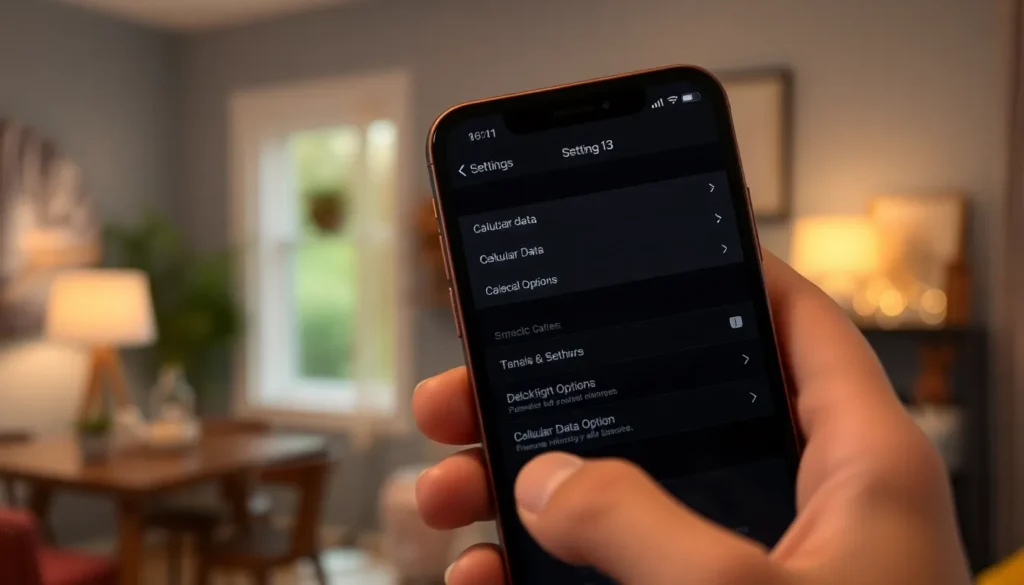
Turning off roaming on an iPhone 13 can help users avoid unexpected charges while traveling. Follow the steps below to disable roaming easily.
Accessing Settings
Begin by locating the “Settings” app on the home screen. This app appears as a gear icon. Tap the icon to access various system settings. Once inside the settings menu, scroll down to find “Cellular” or “Mobile Data.” Choosing this option leads to more cellular settings, including data management preferences.
Navigating to Cellular Options
After entering the cellular settings menu, options related to mobile data usage become visible. Look for “Cellular Data Options,” which provides additional choices for data control. Selecting this option displays settings such as Enable LTE and Data Roaming. It’s important for users to ensure they are in the correct section before proceeding to disable roaming features.
Disabling Data Roaming
Within the “Cellular Data Options,” find the toggle labeled “Data Roaming.” The switch allows users to turn this feature off easily. When the toggle is gray, roaming is disabled effectively. Checking this toggle ensures that the iPhone 13 won’t connect to foreign networks, preventing unexpected charges while traveling.
Troubleshooting Common Issues
Turning off roaming on an iPhone 13 can lead to unexpected challenges. Users may encounter issues even after following the correct steps.
Unable to Disable Roaming
Some users find they cannot disable roaming due to software glitches. A simple restart of the iPhone often resolves these issues. In other cases, users should ensure their iOS is updated to the latest version. An outdated system might hinder changes in settings. Checking if the account has any restrictions imposed by the carrier may also help. Carriers sometimes apply settings that prevent modifications. If problems persist, contacting customer support for assistance can provide additional solutions.
Roaming Charges Still Occurring
Unexpected roaming charges can still occur even after disabling the setting. Users should double-check that the toggle for data roaming is off in the correct section of settings. Sometimes, the switch might not save changes due to a temporary glitch. If a user travels frequently, evaluating the cellular plan may reveal issues with included roaming benefits. Users should also monitor usage while traveling to identify any discrepancies. Analyzing past bills for patterns can pinpoint when charges occurred. Consulting the carrier can clarify any unclear charges and ensure users avoid future surprises.
Additional Tips for Managing Roaming
Avoiding unexpected roaming charges can be further enhanced with alternative options. Users may consider purchasing a local SIM card when abroad. This method often provides access to local rates, which reduces overall costs. On the other hand, international plans offered by carriers may suit some travelers better, as these deliver a predictable rate for data usage. Comparison of different plans before traveling helps determine what best fits individual needs.
Activating Airplane Mode serves as an effective way to manage roaming as well. It immediately disables all wireless communication, including cellular data and roaming services. Users can re-enable Wi-Fi within Airplane Mode, allowing access to internet services without risking roaming charges. It’s a useful method, especially when staying in areas with free Wi-Fi. Ensuring Airplane Mode is activated while exploring can shield users from potential excess fees.
Turning off roaming on an iPhone 13 is a straightforward process that can save users from unexpected charges while traveling. By following the simple steps outlined in the article, anyone can easily disable this feature and gain peace of mind.
It’s important to remember that monitoring usage and being aware of potential carrier restrictions can further safeguard against roaming fees. Exploring alternatives like local SIM cards or international plans can also enhance the travel experience without breaking the bank.
Ultimately, understanding roaming and taking proactive measures ensures a more enjoyable and cost-effective journey.